AI has forced Harness to rethink the product roadmap concept


Harness isn't just a company creating tools to help developers ship code faster and safer, it's also creating software itself, and AI coding is changing the way it thinks about product roadmaps as a concept.
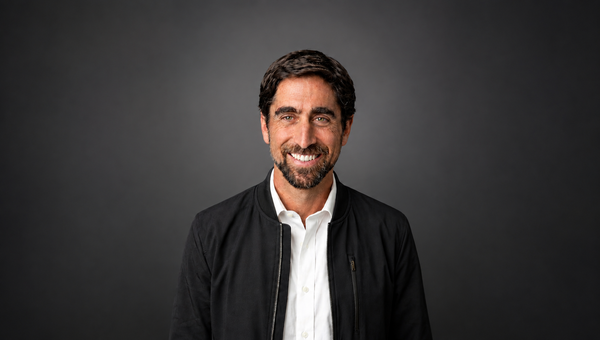
Jyoti Bansal, founder and CEO of the company, appeared recently on the FastForward on PPN podcast, and he discussed how much AI has changed the business of building and selling software.
"We did an estimate for our team and we are shipping a big feature every 11 hours right now. I could not imagine that was possible like a decade ago," Bansal told me on the podcast. And that speed has changed the idea of how you plan your software builds.
"So what has changed organizationally? I'll tell you, it is the notion of a roadmap," he said. People used to plan out two years ahead, but when you're creating new features every 11 hours, that kind of blows that idea up.
In fact, he has banned the concept. "What does a two-year roadmap mean? What does a one-year roadmap mean?" he asked. He says maybe you can plan out six months, but even that is hard to justify.
"Like if you want to build something, just build it. Why is it sitting on the roadmap somewhere?"
But when you can build that fast, it doesn't just have an impact on the roadmap idea. How does marketing, sales and product keep up? How do customers absorb this rate of change? The speed creates a whole new set of problems and challenges for every company.
The biggest impact is on how Harness organizes itself. Previously, it was divided into 15 modules like GitOps, feature flag management, security operations and so forth. As the company begins thinking about agents, that concept breaks down.
"The boundaries of the products are all burning away," he said. "About a month ago, we decided to not do the [module structure] anymore and convert them into few agents that our customers can consume," he said. The customers pay now based on consumption instead of a licensing kind of approach.
It's a big change, one he describes as being like a re-founding moment for the company. "We have been around for many years now, but we are rethinking how we operate, how we go to market, how we engage with our consumers, how we price, and how people use us. We have to completely reimagine everything."