
As Adobe embarks on a new era, it pushes deeper into AI-powered customer experience

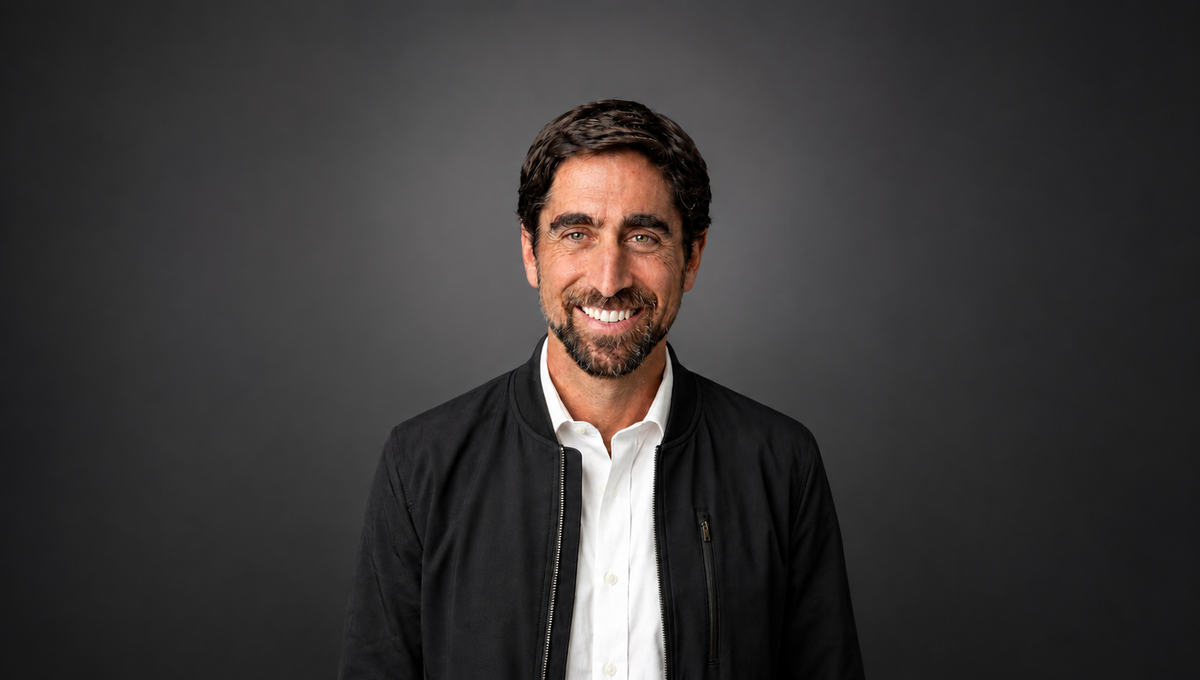
Adobe announced its new CEO earlier this month, Anil Chakravarthy, who came from the enterprise side of the house where he served as president of Adobe’s customer experience orchestration business.
At the beginning of the summer, I spoke to Amit Ahuja, Adobe's SVP of CX products, to learn about the company's approach to AI, especially in its enterprise business. While long-time chief exec Shantanu Narayen announced he was stepping down last March after 18 years on the job to become executive chair, we had no way of knowing Ahuja's boss would soon be named to fill the role.
The new CEO is going to be charged with keeping the company in the AI conversation. As Ahuja pointed out, the company didn't suddenly wake up in November 2022 when ChatGPT was released and decide it was time to incorporate AI into the product set. It had been working on previous generations for years, going back to Sensei, the name it gave its earlier AI platform, and even prior to that.
"Even before Sensei, we've been using kind of general purpose AI for ages here at Adobe, and we've been doing that obviously across Adobe, whether that's on the creative and professional side, whether it's on a document productivity side, or whether that's on the experience orchestration side," Ahuja told FastForward. As examples, he pointed to predictive AI being used to optimize email subject lines and make audience recommendations.
I spoke to Ahuja about the company's approach to AI, how agentic has changed things (like it has for almost all enterprise software) and how the company is incorporating it across the product line.
Building better experiences through personalization
Like Salesforce, which held its annual customer conference recently in San Francisco, Adobe is doing a combination of building and partnering, working with OpenAI and Anthropic where it makes sense, while also building agentic tools that take advantage of the platform and data.
When it comes down to it, AI is just a helper technology in place to drive a more positive customer experience. If it ends up getting in the way or making the experience more clunky, it doesn't matter what technology you throw at it.
Ahuja said that regardless of the industry, people are looking at how to deliver a great experience. That involves personalization, which can be supercharged by AI. "The notion of how to drive increasing levels of personalization is very much still a top mandate," he said. The holy grail has long been to personalize content for each customer based on their interactions with the brand and what the company already knows about them.
Personalization requires context and Ahuja believes the data produced across the Adobe platform, but especially on the enterprise side, is providing that. "Look, I think at the end of the day we fundamentally believe that what Adobe can uniquely bring into this is the value of this context and intelligence that we're bringing on behalf of what is customer experience," he said.
Centralizing intelligence
Adobe sees its purpose as bringing all of this together, with its creative tools helping companies build campaigns that are true to their brand and its enterprise tools helping them understand how customers engage with that brand. Together, those capabilities can (in theory, at least) help companies use what they learn from those interactions to build better customer experiences.
Earlier this year at Adobe Summit, the company introduced Adobe CX Enterprise Coworker, an agent designed to automate workflows across its enterprise products. It also brought in the notion of a harness, which is designed to let customers access and use Adobe's enterprise capabilities as they see fit, whether by using one of the large language models from OpenAI, Anthropic, Google or Microsoft as the front end; or by continuing to use the Adobe interface to access this information.
"There's a whole different level of intelligence that we're bringing underneath that basically feeds into Coworker and allows their capabilities to leverage, to effectively say, 'Hey, I can now understand all these different enterprise contexts, I can understand this intelligence and be able to operate off that,'" he said.
An early signal that the approach is working, while countering the Wall Street narrative that SaaS companies like Adobe are in trouble in the AI era, came in the most recent earnings report earlier this month. The company posted record revenue of $6.76 billion, up 13% year over year, with AI-first ARR up more than 150% to $500 million, per a company spokesperson.
As the new CEO ushers in a new era of leadership at the company, the internal motivation remains the same. "I don't think the motivation is ever a perception of the value of what we're doing. I think the motivation is customers, and customer value," he said.