
Face computers face familiar problems

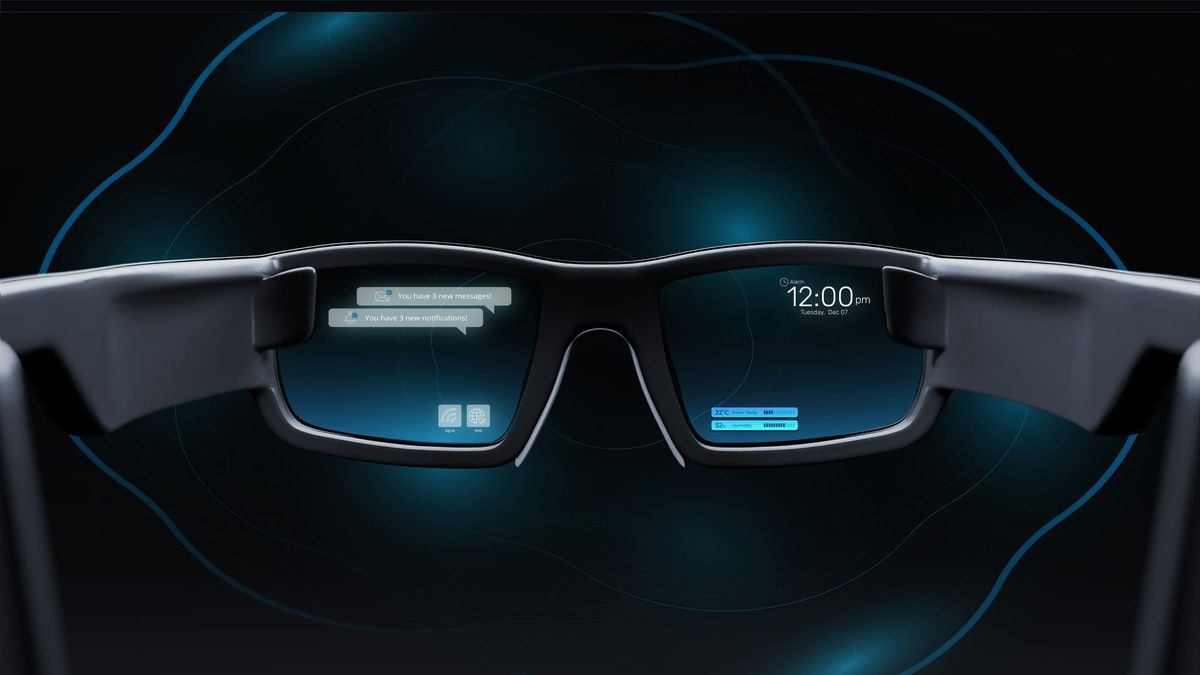
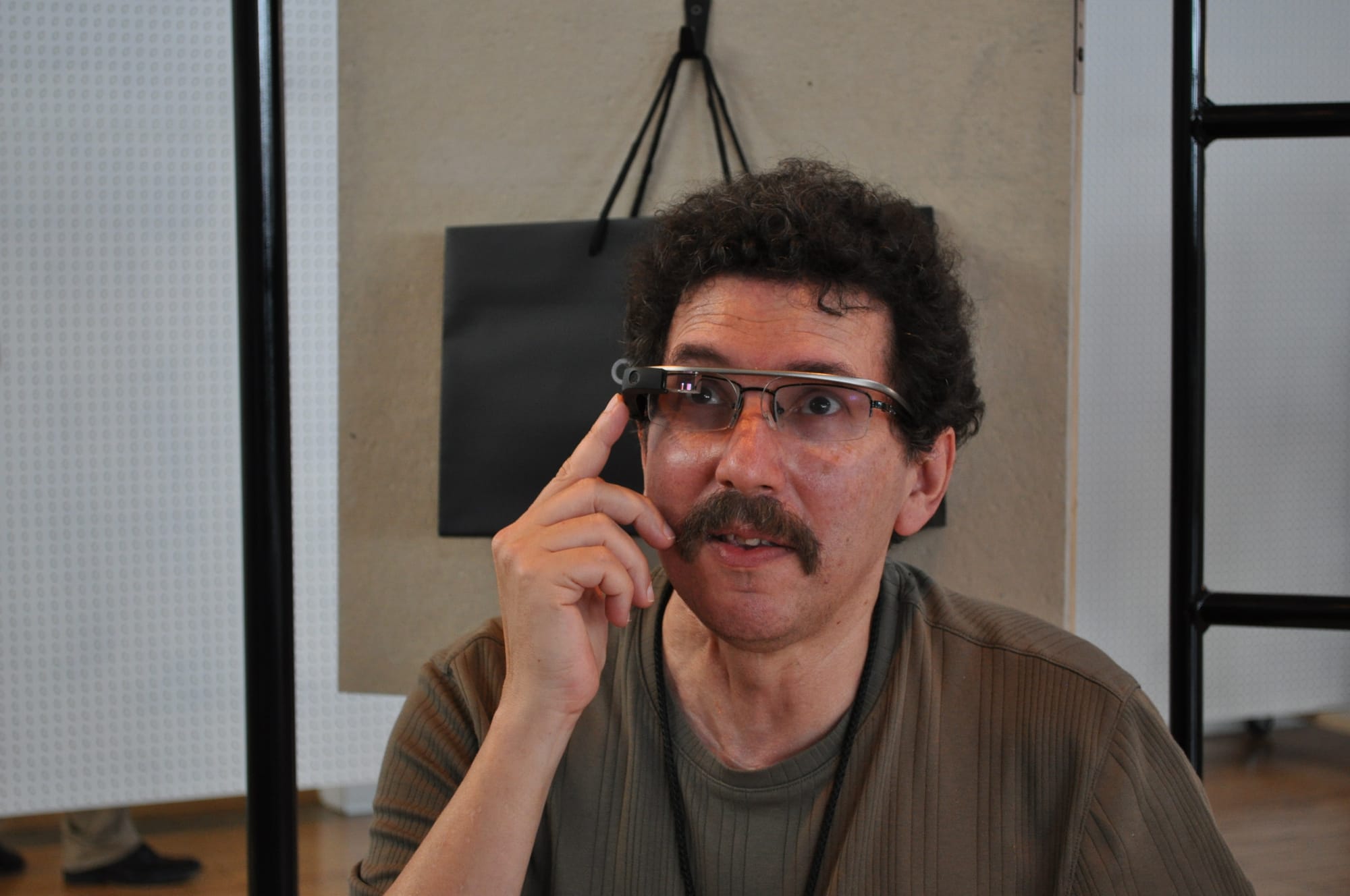
I watched this week’s unveiling of Google’s latest smart glasses with a sense of déjà vu. I was among the early participants in the Google Glass Explorer program back in 2013, an initial experiment in smart glasses that in hindsight was well ahead of its time.
I ended up returning the device. Not because I thought the idea was bad, or because of the steep $1500 price tag, but because the form factor was incredibly awkward and didn't really work well with my prescription eyeglasses.
In that first version, you had to look up to see the interface and read text, which was uncomfortable to the point of giving me a headache. I found that rather than wanting to use the device, it was easier and more comfortable to take out my phone and read the content.
The new versions project what you're doing directly in front of you on the lens, certainly a major improvement over that first iteration, but no less distracting. It would take some getting used to, and I’m not sure that, for something like say getting directions, a quick glance at your smartwatch isn't good enough.
But that first generation didn't just stumble on design. It ran into much bigger social concerns, ones a company like Google with an engineering mindset, likely didn't see coming.
No photos, please
In particular, people didn't like the idea of being photographed without their knowledge. With a smartphone, you usually see a person holding up the phone and aiming the lens at you. While it's possible to do that surreptitiously, it's much easier to do so with a camera that's built into the frame of your glasses that you can access with a quick tap.
The public jumped on that. People who wore Google Glass in public were considered pretentious. The word Glasshole entered popular culture as a way to describe people who wore them, and the devices were even banned from some establishments.
I wrote about the phenomenon in a 2014 TechCrunch article, Why we hate Google Glass -- and all new tech. That same year, the backlash around Glass came into focus at SXSW, where the conversation was about privacy, social norms and what it feels like to be around someone wearing a camera on their face. Even a representative from Google acknowledged we needed to be having that discussion, but he argued that while privacy is important, the right approach depends on local norms and expectations.
That was a convenient way for Google to be looking at it, but there were no good answers then and there aren't really any now, either. If anything, the problem is only worse. Back in the day, you knew someone was wearing a weird gadget, today it looks like glasses.
Do we want smart glasses?
Today, Google is framing these devices in much more practical terms aimed at mainstream consumers, giving you hands-free access to Gemini.
Yet even with the design upgrade, they can still look awkward, and kind of scream you're a tech nerd. And if you think about it, as a society we've been trying to get glasses off our faces. Hence the big contact lens and lasik surgery business. Now they want to convince us to put things back on our faces, and not always in an elegant way.
Unless you're a major gadget geek and you have to own them, other devices take care of just about everything the smart glasses do with better battery life. You definitely can't wear them for a full day without recharging, which is a real limitation, especially if you use prescription lenses.
While Meta's smart glasses built in a partnership with Ray-Ban have sold decently with reports pegged at around 7 million pairs in 2025, that is small potatoes compared to analysts' estimates of 34–37 million Apple Watches sold by Apple the same year.
Teaming up with glasses makers certainly solves some of the design flaws, but with Meta and Google both eventually offering versions that include a camera, microphone and speakers in the frame, the privacy concern from 2013 rears its ugly head. And with these two major AI companies involved, there's a legitimate worry about handing two of the world's most data-hungry companies access to everything they see, say and hear.
Smart glasses have clearly come a long way from the early days of Google Glass, but they still run into the same fundamental problems. They have to overcome a set of practical and social objections that hardware improvements alone can’t erase.
~Ron