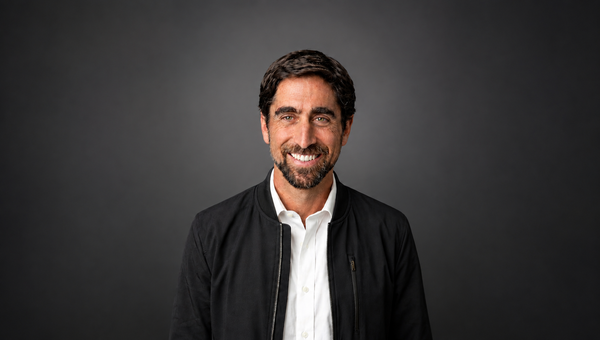
Zscaler CEO Jay Chaudhry's latest bet focuses on protecting enterprises from AI-fueled threats

Disclosure: I was paid by Zscaler to moderate a video interview with Zscaler executive Swamy Kocherlakota at the company's Zscaler Zenith Live 2026 earlier this month. The quotes from Jay Chaudhry come from two interviews, one in April and one in Las Vegas at the conference. Both were separate from the paid engagement. Zscaler had no input into or review of this piece before publication. My editorial guidelines apply the same regardless.
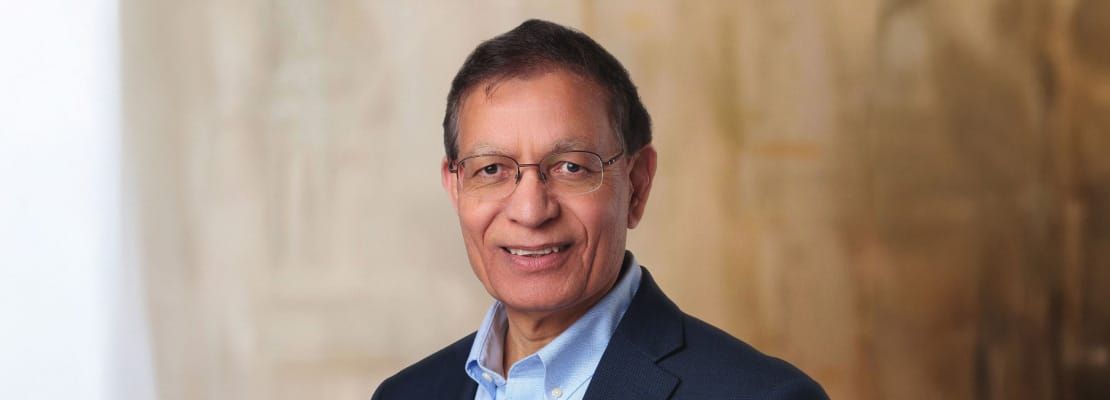
Zscaler founder Jay Chaudhry arrived in the United States from India in the early 1980s with a one-way plane ticket and $200 in his pocket. That kind of big bet with little behind him would define him in the coming decades as he grew into a successful entrepreneur. Along the way, he started and sold four companies before launching Zscaler.
While his original thesis for his current company was about protecting customers operating their businesses on the open internet, these days it’s also about protecting enterprises against a threat landscape being reshaped by AI.
If you dig into his life, you’ll find a man who grew up the son of farmers in a tiny Indian village that didn’t even have electricity or running water until he was a teen. His parents never went to school, yet they encouraged him to get an education. He turned out to be a strong student and earned his way into India’s merit system, which opened the door to better schools and eventually a chance to study abroad in the U.S. for a master’s in engineering. That move would change the course of his life.
Chaudhry launched Zscaler in 2007 on the notion that computing would be moving to the internet. You have to remember he started the company, one year after AWS, so it was very early to be thinking about cloud computing. Even SaaS was still in its infancy at that point. It was a big bet, but like the rest of his life, it was one he made willingly, and it was one that turned out to be a good one.
Today, the company has a market cap of over $20 billion. He has done OK. Built on a zero trust model, it's moving into agentic protection as agents become more prevalent. He recognizes that he may be ahead of his customers with the newest products, but CIOs and CISOs are feeling pressure to move faster than they may be comfortable with when it comes to AI, and he wants his company's offerings to be ready as customers move to protect against new AI-fueled threats.
"They don't want to get left behind in adopting AI, but they're nervous about the impact of it," Chaudhry told FastForward. "CEOs are putting pressure on them to go fast with AI, but they're worried from reading about all these incidents happening out there." His company's goal is to provide solutions to ease those concerns, and if that means getting ahead of the customers, so be it.
The everyday cybersecurity problem
Every company faces a relentless onslaught of cyber threats. It's just the nature of things, and why companies like Zscaler exist. Alex Philips, CIO at NOV, a Houston company that makes oil and gas drilling equipment (and a Zscaler customer), says organizations always struggle with keeping their platforms safe.
"When it comes to cyber, it's that invisible scary thing. They could be in your network right now, and you don't even know it. That's the scary thing: a bank robber you see, but when somebody's here to rob your [computer systems], you don't even see them," Philips told FastForward.
And that's the challenge for every CIO and CISO, and for the vendors trying to support them. From Zscaler's perspective, it's about how to hide your IP address, to make you less vulnerable. "We are focused on hiding your attack surface from the internet. Imagine the day you could say as a C-suite executive that this company doesn't have a single public IP address," Chaudhry said. "If they can't see you, they can't breach you."
That's the ideal state, of course, and it works by being paired with zero trust, which operates on a simple premise: Trust no one and add privileges only when needed. Should bad actors get in, it makes lateral movement a lot harder. That challenge only grows as more of the networking functions get handed off to AI agents.
The growing AI threat
NOV's Philips points out that AI takes the relentlessness of bad actors and adds another gear. When he was pitching for security budget to his CFO last year, he posted a slide: 'Why Alex needs his budget' and used the Game of Thrones winter as a metaphor where AI is growing ever more sophisticated, and it will be even more challenging to protect your company. "It'll operate at machine speed, it will be relentless and it's going to break in. There's no way we're going to stop it 100% of the time," Philips told me of his pitch.
This is part of the endless chess match that goes on between cybersecurity companies and their customers and the bad actors. AI increases the speed for everyone. "While these models can generate code, they can also create exploits, and they can create a fix for the exploit," Chaudhry said. "Here's the difference: If a model created an exploit, and it only works 90% of the time, the attacker doesn't care. If your fix only works 90% of the time, you have a problem." And on and on it goes.
That also means bad actors have fewer constraints, creating an even bigger challenge. "Bad guys have no inertia. Enterprises have inertia," Chaudhry said. The question is whether folks like Philips can push through that inertia in the face of a growing threat landscape.