Lies, damned lies and AI

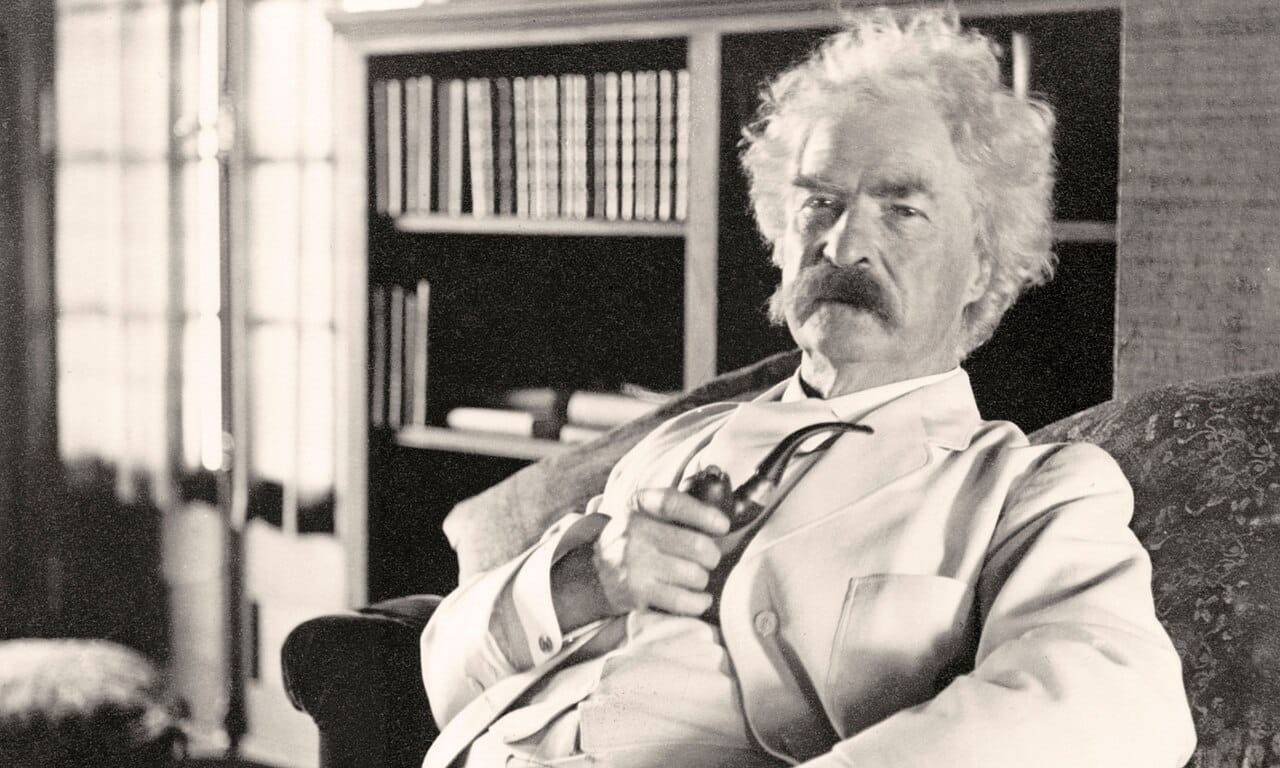
When Mark Twain popularized the phrase 'lies, damned lies and statistics,' he was referring to the practice of using statistics to unduly influence public opinion. These days, you can swap statistics for AI. That’s because tech's big AI execs have been trying to convince the public that AI is more powerful than it actually is — and that it’s out for your job.
It turns out, maybe that's not the best message to be putting out there. People are growing increasingly hostile toward AI. Some have even physically attacked self-driving cars and AI infrastructure. Earlier this month, college graduates booed commencement speakers who even mentioned AI. Even the Pope weighed in on the subject this week in Magnifica Humanitas, sticking it to capitalists with this statement: "The pursuit of greater profits cannot justify choices that systematically sacrifice jobs…," he wrote.
In fact, just about everyone, except CEOs looking to cut payroll, take a dim view of a technology that is purported to be so powerful it is going to replace every professional on the planet (whether it's true or not).
Data backs up people's general disdain about AI and jobs. More than half of respondents in a YouGov-Economist poll reported being worried or somewhat worried about AI replacing their jobs. It's no wonder when CEOs cutting tens of thousands of jobs at places like Amazon, Oracle and Meta point to AI as the reason for job cuts. What’s worse, AI isn’t replacing most of these jobs, at least not directly. It's actually the cost of the underlying infrastructure in many cases leading to the cuts. It's an excuse that is increasingly becoming known as AI washing.
When you look at the studies of AI success rates, they tell a very different story with most companies struggling to get AI to work in broad deployment. Agents sound good on paper, but besides coding, there isn't a lot of evidence they are actually working at scale. The technology has great promise, and there have certainly been pockets of success, but so far it's more aspirational than reality.
Mixed messages abound
So if you're a CEO at a big AI lab, and you wake up one day to a bunch of headlines about mounting public backlash against AI, especially when they believe your rhetoric that their livelihoods are being threatened, maybe you conclude you should stop saying AI takes away jobs. You should actually say it doesn't.
Just this week Sam Altman suddenly had a change of heart about the whole jobs thing. According to a Reuters report, Altman told the Commonwealth Bank of Australia (CBA) conference in Sydney that he was "delighted to be wrong" about his prior bleak predictions that AI would take jobs.
Dario Amodei and Anthropic are giving more mixed messages on jobs with the CEO telling a financial services briefing earlier this month that they just don't know. Great. But his co-founder Chris Olah, appearing at the Vatican's AI ethics conference this week, came right out with this gloomy warning, per Axios reporting: "There is a real possibility that AI will displace human labor at a very large scale."
So let me see: it's going to take jobs, no, it's not, we don't know and there's a good chance it will. Got it.
These executives sound a lot like their models, stating something with conviction, then backtracking when you push back — 'Yes, you're right, it doesn't take jobs' — before finally admitting they don't actually know.
While it seems unlikely that there will be widespread job loss directly from AI in its current state, the mixed messages, the reversals and the hedging show that the folks building AI models can't even keep their stories straight, leaving the general public to sort out the truth.
~Ron