Investor Jai Das on AI hype and the changing face of enterprise investing

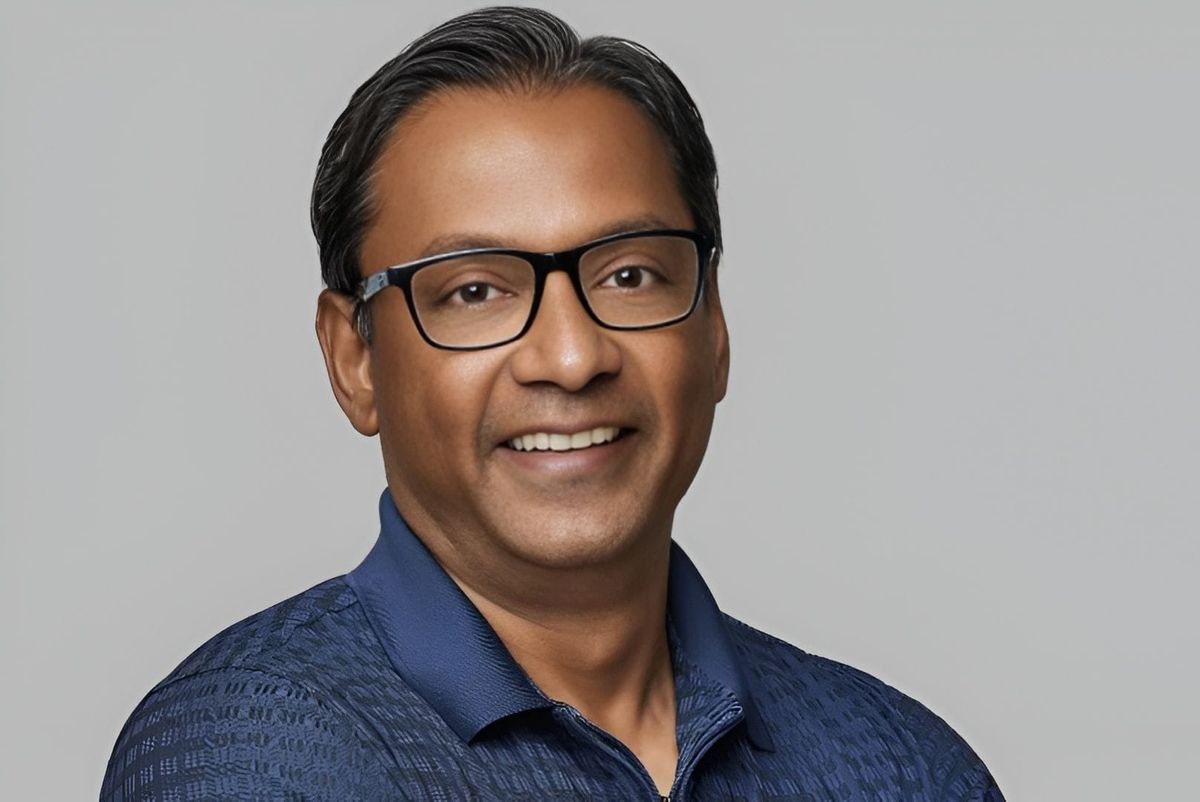
I caught up with Jai Das, co-founder of Sapphire Ventures, in April at HumanX, the conference devoted to all things AI. He's been investing in enterprise startups for more than two decades, and while he recognizes that AI is transforming his business, he's not getting so caught up in the hype that he's leaving the fundamentals behind.
He sees the power of large language models, but he's also seen other powerful technologies emerge in his time as an investor, and he thinks it's important to not overreact to any particular change in the system, even one as seemingly significant as this one.
That is a particularly important perspective, especially when you're walking around a conference like HumanX where a lot of the speakers gloss over the challenges companies are facing as they try to implement this technology.
Das says that part of the problem is we lack a common definition of what we mean by artificial intelligence, and that is even more true when we bring artificial general intelligence (AGI) into the discussion, as is often the case when you get a group of industry folks together who are totally bought into AI. But before you can invest in AI, you need a common understanding of what it means and what you're actually investing in.
For him, humans will always have a certain advantage over the models because we have empathy, compassion and creativity, while models will have access to the entirety of knowledge. "The models are going to get better and better, and they will get better at analyzing. They'll have all the knowledge at the tip of their tongue, and while they can reason, I don't think they can really have judgment," Das told FastForward.
AI is altering investment approaches
While he's not caught up in the hype of the moment, he still recognizes that the investment environment he's been operating in the last couple of decades is shifting. SaaS was about selling seats and licenses, and companies are moving away from that as they build more intelligent applications.
AI has forced investors to "go back to kind of the beginning." After years of evaluating enterprise software through familiar SaaS metrics and business models, he believes investors have to rethink many of those assumptions as AI reshapes how software is built, sold and priced.
"We're not selling workflows anymore," he said. He sees a lot of the value is moving elsewhere: to networking, chips and optical interconnect (a way of using photons instead of electrical signals to move data).
Infrastructure is more stable investment
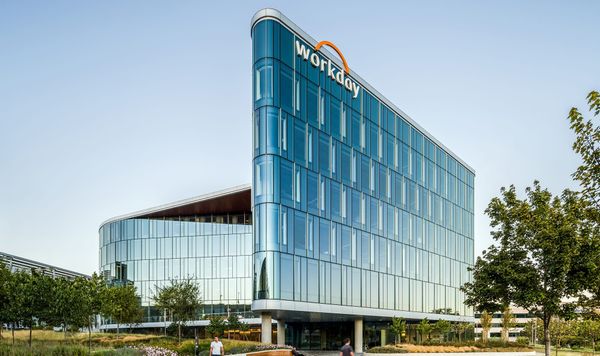
Anybody trying to build something like Salesforce did for CRM or Workday did for HR in the early days of the SaaS era is going to face headwinds from AI labs, which are increasingly moving into more software categories. That's why he is leaning toward the infrastructure layer, a place he sees as more difficult to undercut.
"I'm in a little bit a better position than my colleagues who look more at apps because I do more on the infrastructure and software. So those layers, I think, are not going to get disintermediated by the models as much.”
He's also not worried about the crazy valuations we are seeing, which he says happens every time there is a big technological shift. The trick he says is knowing when to get in because even high valuations sometimes pay out, as we saw recently with SpaceX buying Cursor for $60 billion.
Looking back at another major technology shift, when multiple search engines were fighting for dominance in the late '90s, anyone who bet against Google probably lost a lot of money. But investors who spread their bets still benefited from Google's outsized success.
"If you invested in everything, all your mistakes were kind of [negated] by Google because Google made up for all your losses. So that's the other way to play it. That's when the valuation doesn't matter as much," he said.