
AI velocity is still limited by human requirements in large companies

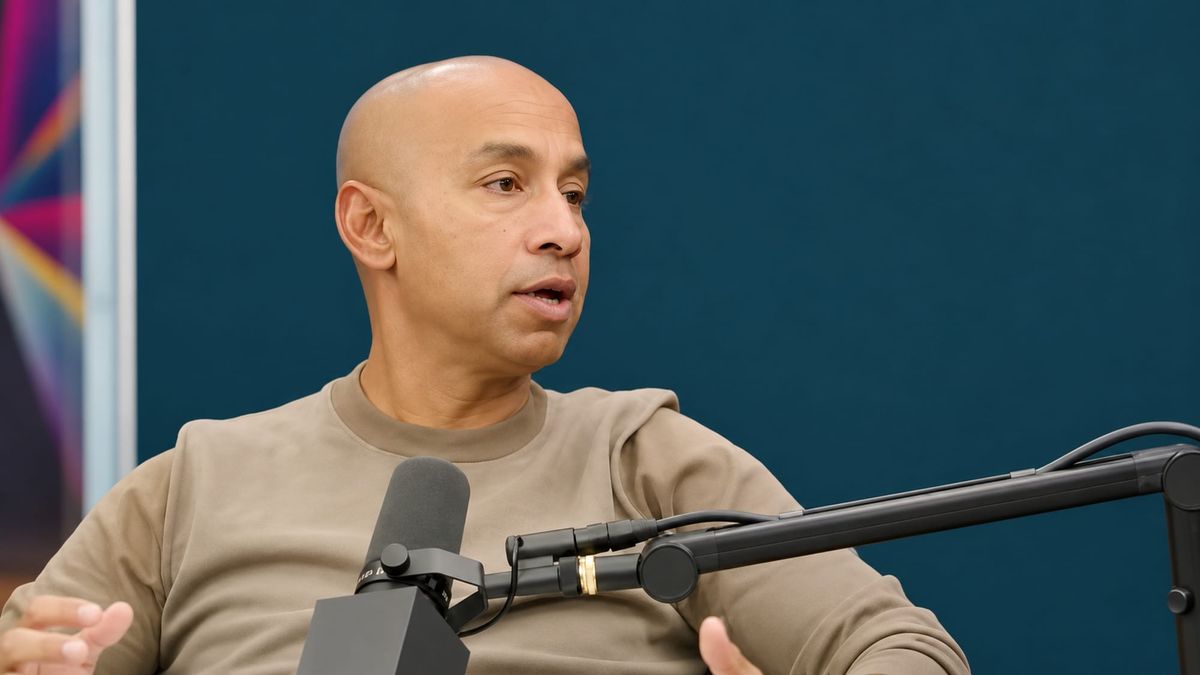
Disclosure: I was paid by SailPoint to moderate a video interview with CTO and executive vice president of product Chandra Gnanasambandam at the company’s SailPoint Navigate 2026 in Austin last month. SailPoint did not have any input into this article.
AI’s ability to generate code at high velocity is helping companies create new features much faster, but it also raises questions about whether their people can keep up. With that rate of change, how do you move that through the software development pipeline and communicate about it with product, marketing, sales and customers. It tends to shift the bottleneck, not necessarily make you go as fast you might think.
I interviewed SailPoint CTO and executive vice president of product Chandra Gnanasambandam at the company’s SailPoint Navigate 2026 in Austin last month and we talked about getting people on board in such a rapidly changing environment, especially folks whose primary job is to slow things down and protect the company from risk.
He says, it does force you to be thoughtful about innovation, and for good reason. What happens if there is a rogue agent and you get sued? Who's responsible? These are legitimate questions that every large organization needs to be looking at.
"I call it responsible innovation, right? And it's you know it's actually a very very important concept in today's day and age. And what responsible innovation means is being thoughtful about those kinds of considerations," he said.
He says that means be thoughtful about the legal, talent and compliance frameworks as you implement AI inside your company, but at the same time, he doesn't want these entities to necessarily slow him down too much because then the company (whatever the company) could lose competitive advantage, and he says it's important that legal, HR and compliance teams understand he's trying to do what's best for the company too from his perspective.
"So the things that I talk about a lot these days is actually things around empathy, active listening. When you when you actually hear a legal colleague say something like, 'No, no, no, you can't do that,' I'm like, curb that knee-jerk reaction and you know assume positive intent and go back and ask a question why," he said.
We also talked about why thousands of AI agents working together could pose a much greater security challenge than a single rogue agent, and why he thinks the goalposts for AGI keep moving.
You can watch the full interview here: