Adobe backs Creator Act to protect artists from AI-driven style exploitation

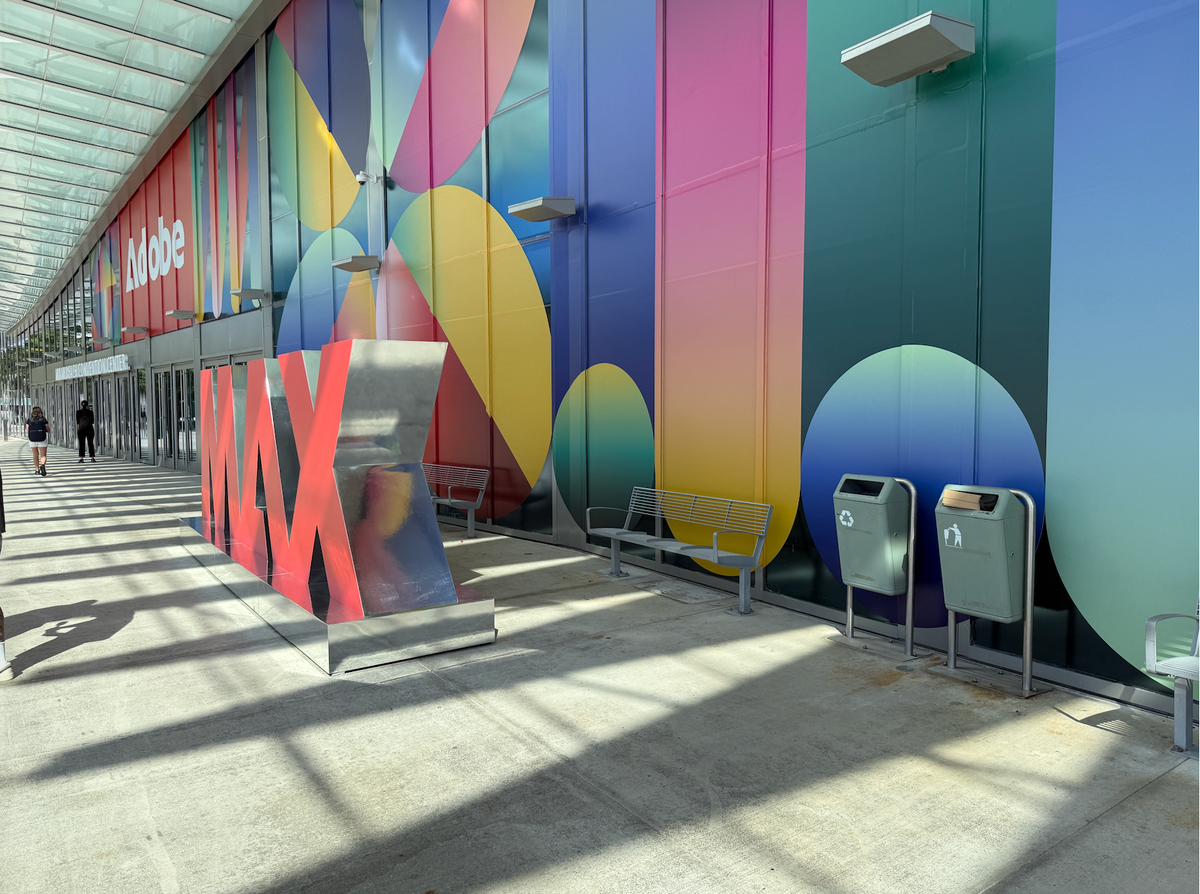
Disclosure: I am being paid by Adobe to produce a sponsored video at Adobe MAX 2026. Adobe had no editorial input into this article.
Adobe sees itself as a central part of the creative process of many different artists from painters to graphic artists to marketers, all of whom create artistic work with the help of software. Sometimes that involves AI.
At the Adobe Max 2026 keynote address in Miami this week, the company consistently stressed that artists were in control over how much they used AI, if at all, and over the creative process no matter how much the software may automate parts of the creative process.
Outgoing CEO Shantanu Narayen, overseeing his last Adobe Max conference, perhaps put it best when he said "At Adobe, we believe that technology should amplify creative possibilities without compromising your craft, your control or your rights."
That last point was particularly important and was driven home at a press Q&A with Adobe chief legal officer Louise Pentland, whose responsibilities include government relations. She pointed out that while it was possible to copy an artist's unique style before AI, the technology now makes it easy to do so at scale. Because many creatives make their livings from their distinctive styles, she believes new laws are needed to protect them.
"If by just by typing one prompt, somebody's work can be copied and used by a bad actor to exploit their incredible creativity, then that's a problem that needs to be solved," she said. And Adobe believes it has the responsibility as a vendor of popular creative software to lobby governments for that kind of protection.
The Creator Act
"The things we have done is we have put our weight and support behind a new bill, the Creator Act, which is designed to exactly address that situation," she said. "If a creator's style is impersonated, it's taken, it's exploited for economic gain by a bad actor, then they should have a federal right of protection," she said
The bipartisan Creator Act (H.R. 9112) was introduced in the House in June 2026, and would give visual artists the right to challenge unauthorized commercial AI-generated imitations of their distinctive styles, seek damages and demand that the exploitation stop. The bill remains in the House Judiciary Committee and has not yet received a vote. Pentland indicated the company continues to advocate to get the bill moving, while also trying to get it introduced in the U.S. Senate.
She pointed to artist Fabiola Lara as a concrete example of someone who would benefit from the proposed law. "In fact, we have someone here at the conference, Fabiola Lara, who has this very unique style, which she's created. It's in digital format, but she has created it, and her image is very often stolen or taken," Pentland said.
Unlike the AI labs, who are much more generalists, Pentland framed Adobe’s role narrowly: protecting creators rather than solving every challenge posed by AI. "You know, my goal isn't to solve AI for everything," she said. "In the world where we represent creators, we want to make sure that they continue to exist."