Vibe coding won't kill SaaS, but complacency could

Over the last six months, I’ve interviewed a range of enterprise leaders. I went back through those conversations looking for one thing: how they’re thinking about the so-called SaaSocalypse (the predicted end of SaaS).
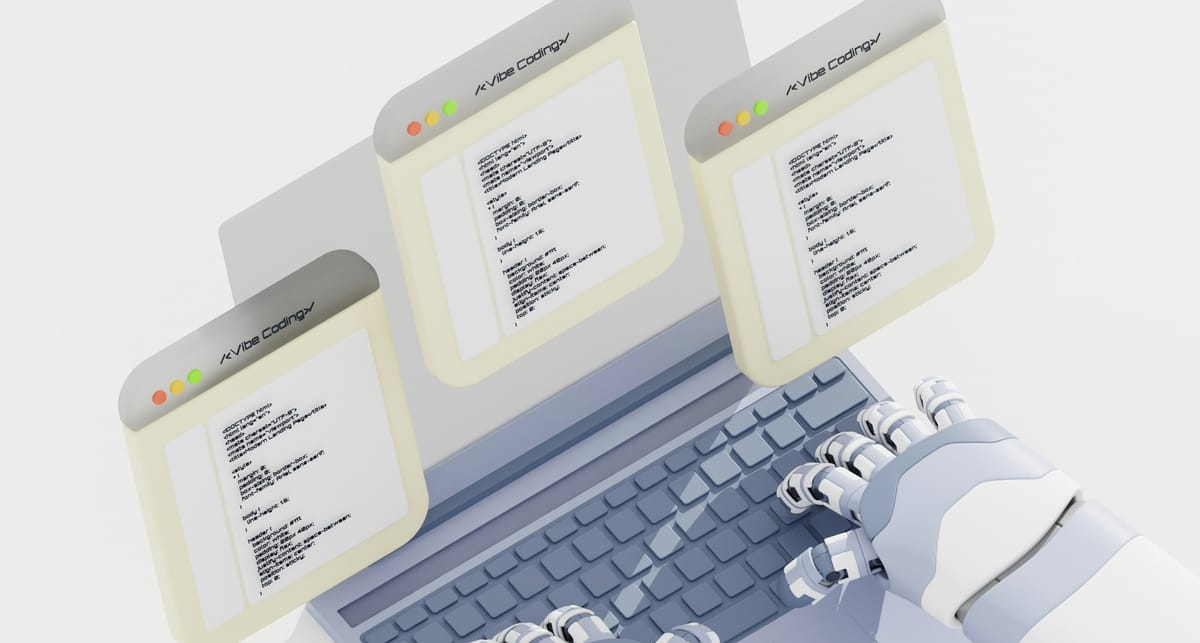
We've been hearing a lot about the end of SaaS as we know it. The idea is that just as SaaS knocked out the leading on-prem incumbents, new AI programming agents will make it simple enough to roll your own systems and mark the end of the SaaS era.
But that has always seemed too simplistic to me. The coding is the easy part. It's all the other parts of building an enterprise-grade system that are hard: making it resilient, secure and compliant. Building identity and authentication and access management. Making sure it can connect to other systems, some of which are old and temperamental, yet still work.
SaaS vendors are surely at an inflection point, and it's clear that most recognize that. Salesforce, Workday, ServiceNow and so many other systems of record are not merely standing by passively watching the change happen. They are building and acquiring at a furious pace to get ahead of the sea change.
Tien Tzuo, founder and CEO at Zuora, a subscription management platform, says that SaaS vendors better take this shift seriously. "Every software company is facing an existential threat right now, including us, right? And you're better off admitting it and seeing it and navigating through it," he said.
ServiceNow exec Amit Zavery agrees that it's up to every company to make the change and provide AI-native products or have problems surviving in the market. "So long term, you have to be an early adopter of AI, and AI is a transformational technology. Everybody needs to make it an inherent part of the portfolio," he said.
Not all SaaS is created equal
Cameron Etezadi, CTO at LaunchDarkly, a software feature management platform, sees the market bifurcating with those single-purpose SaaS products that don't add a ton of value being replaced by build-your-own, but not the end of SaaS by any means.
"I think there's still a market for SaaS because the operationalization of this is hard. There have been a lot of lessons learned, and those lessons can't be vibe-coded," he said.
The consistent message I hear is that the inherent complexity of running large businesses makes building your own systems far harder than it sounds.
Forrester analyst Kate Leggett, speaking at a CRM Playaz IRL panel last month, put it into perspective, pointing to the sophistication of enterprise systems. As an example, she offered an ERP system, which must handle constantly-changing tax structures across dozens of countries.
"You are not going to be vibe coding a lot of that because if you do something wrong, you’re going to be hit with regulatory compliance penalties and nobody wants to do that," Leggett said.
Ultimately, the build versus buy equation could shift with some companies building more to meet specific needs. But much of enterprise software is simply too complex and too far removed from a company's core mission to justify building in-house.
And then there’s the data. Even the largest organizations are working with a limited view compared to SaaS vendors operating across thousands of customers. That scale creates its own kind of moat. SAP CEO Christian Klein drove this point home at a recent earnings call.
"The LLMs are super good with unstructured data, but you need the business data. And which company has petabytes of data, which we are using to fine-tune our AI Foundation?" he asked.
That data advantage is precisely why SaaS isn’t going away, but coding agents are forcing it to prove where it adds real value. But as more companies try to build their own software, the real problem is going to come down to accountability when something goes wrong. Your vendor has an SLA. Your coding agent doesn't.