The true cost of easy-peasy AI


I was at an event recently where I had an interesting discussion with a college dean about preparing young people for the changing world AI is creating. When I asked about his students' interest in AI, he surprised me with his answer: he said they were more concerned about the environmental impact.
Last weekend, I was fooling around with AI by getting Claude, my favorite bot of the moment, to write me a manual on how to install OpenClaw, the open source agent builder of the moment. It did a stand-up job, but when I told my wife about my project, she blithely replied, "How much would you have to work out to make up the energy for that?"
I actually think about the environmental impact of AI quite often. It's hard not to picture those electrons popping around data centers as it spits out an answer for me. Unfortunately, my curiosity doesn't exist in a vacuum. It's one of the reasons that companies like Amazon, Meta, Microsoft, Google and OpenAI are pouring hundreds of billions into building data centers to satisfy the growing interest in AI.
There's the land, the trees they knock down, the chips they fabricate, the bricks and mortar, the energy to run the place and the water to cool it down. Consider that Microsoft spent $16 billion in a deal to bring the Three Mile Island nuclear power plant back online.
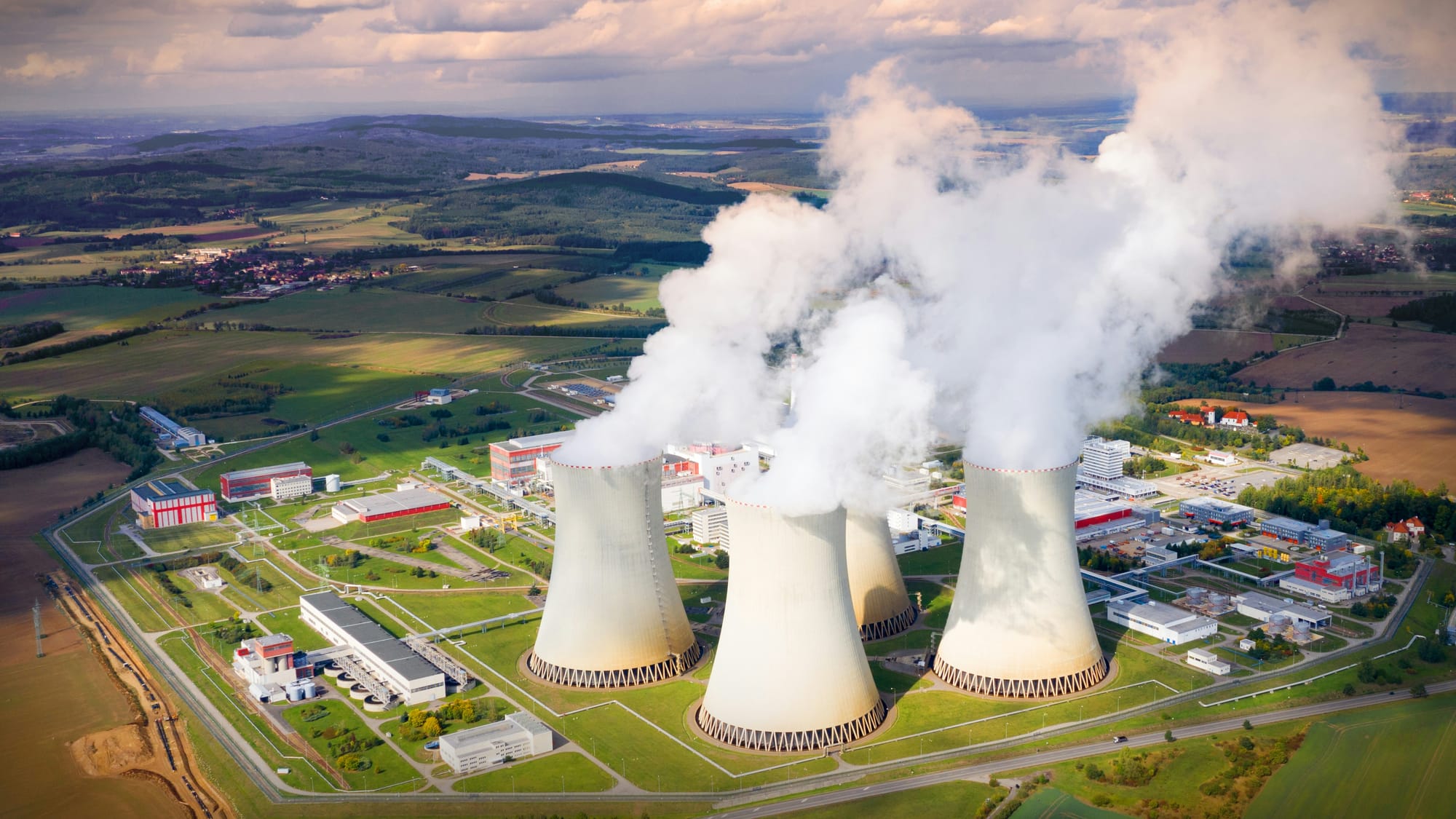
For those of you too young to remember, Three Mile Island Unit 2 partially melted down on March 28, 1979. Unit 1 remained online for another four decades before being shut down in 2019. The Microsoft deal is to bring back Unit 1 to feed its growing AI ambitions.
But Microsoft isn’t the only one flirting with nuclear power to fuel our growing love affair with AI. AWS cut a deal to buy 1.9 GW from the Susquehanna nuclear station, and Google signed an agreement with Kairos Power to deploy small modular reactors.
Crusoe, an AI infrastructure startup helping build the ginormous data center in Abilene, Texas for Oracle (pictured above), is taking a different approach. The company is taking advantage of a huge supply of untapped wind power in the area.
The content ownership problem
But it's not just power or water, there's also the pesky copyright problem, which seems to rear its ugly head from time to time, only to disappear again from the public consciousness. The last time we had this discussion was last April when OpenAI released ChatGPT 4o. It set off a big debate about content ownership after people started releasing Ghibli-style images at a viral rate.
I thought about that ownership issue this weekend when I posted on LinkedIn about my experience creating my OpenClaw starter's guide. One commenter wondered whose work was pilfered to produce that guide, an honest question I hadn't considered until he brought it up. While I got very specific about what I was looking for in the prompt, Claude didn't pull the manual out of thin air, and probably didn't try to install OpenClaw itself, then figure out how to explain it to me. It very likely found existing documentation and built on that.
That, friends, is an uncomfortable truth. As happy as I was to be able to generate a document, the ownership issue is as real as the environmental concerns. Technologists tend to sweep these issues under the rug as pesky legal stuff to be worked out at some point.
But in the end, whether we acknowledge it or not, the answers we get from AI come at a steep price, be it environmental, legal or moral. The convenience is real. So is the bill.
~Ron